

Finding reliable tradespeople is one of the most frustrating challenges UK business owners face. When you need to hire skilled trades workers UK wide, the risks are real: unverified credentials, rogue operators, and costly project delays can derail even well-planned jobs. The UK construction and maintenance sector has seen its share of scams, with victims losing thousands to fraudulent contractors who present convincing online profiles. This guide walks you through every stage of the process, from defining what you need before you advertise, to sourcing candidates, checking credentials, managing payments, and confirming quality on completion.
Table of Contents
- Key takeaways
- How to hire skilled trades workers UK: preparation first
- Finding and evaluating candidates
- Contracts and payment protection
- Verifying quality and handling problems
- My perspective on hiring tradespeople in the UK
- Manage your trades hiring with Tradewisehq
- FAQ
Key takeaways
| Point | Details |
|---|---|
| Verify credentials independently | Always check Gas Safe, NICEIC, and other statutory registrations directly, not just through platform badges. |
| Use milestone-based payments | Avoid large upfront payments; structure contracts around verified project milestones to protect your budget. |
| Prioritise trade body membership | Tradespeople who belong to bodies like the Federation of Master Builders have met higher standards than basic directory listings require. |
| Source multiple quotes | Collect at least three competitive quotes before committing, and compare scope, not just price. |
| Document everything | Written contracts, agreed deliverables, and clear communication records are your best protection if disputes arise. |
How to hire skilled trades workers UK: preparation first
Before you post a single job advert or call a single number, you need to be clear about what you actually require. Vague briefs attract vague responses, and vague responses cost money.
Define the scope precisely
Write down the specific tasks involved, the materials you expect the tradesperson to supply or source, the timeline, and any access restrictions on site. A plumber fitting a new bathroom suite in a commercial property needs different qualifications from one replacing a domestic stopcock. The more specific your brief, the easier it becomes to assess whether a candidate is genuinely qualified.
Know which qualifications matter
Different trades carry different statutory requirements in the UK:
- Gas engineers must be registered with Gas Safe Register, the only legally recognised body for gas work. Hiring an unregistered engineer is illegal.
- Electricians should hold certification from a competent person scheme such as NICEIC, NAPIT, or ELECSA. These bodies allow electricians to self-certify their work to building regulations.
- Builders and general contractors are not subject to statutory registration in the same way, but membership of the Federation of Master Builders signals verified craftsmanship and professional standards beyond what online lead generation platforms require.
- Heating and HVAC engineers should hold F-Gas certification if they work with refrigerants, and OFTEC registration if they work with oil-fired equipment.
Confirm insurance before anything else
Public liability insurance is non-negotiable. For most commercial and maintenance projects, you should expect a minimum of £1 million cover, though £2 million or £5 million is standard for larger sites. Ask to see the actual certificate, not just a verbal confirmation, and check the expiry date. Trade memberships require adherence to codes of practice, vetting, and insurance standards, providing much stronger assurance than basic online listings.
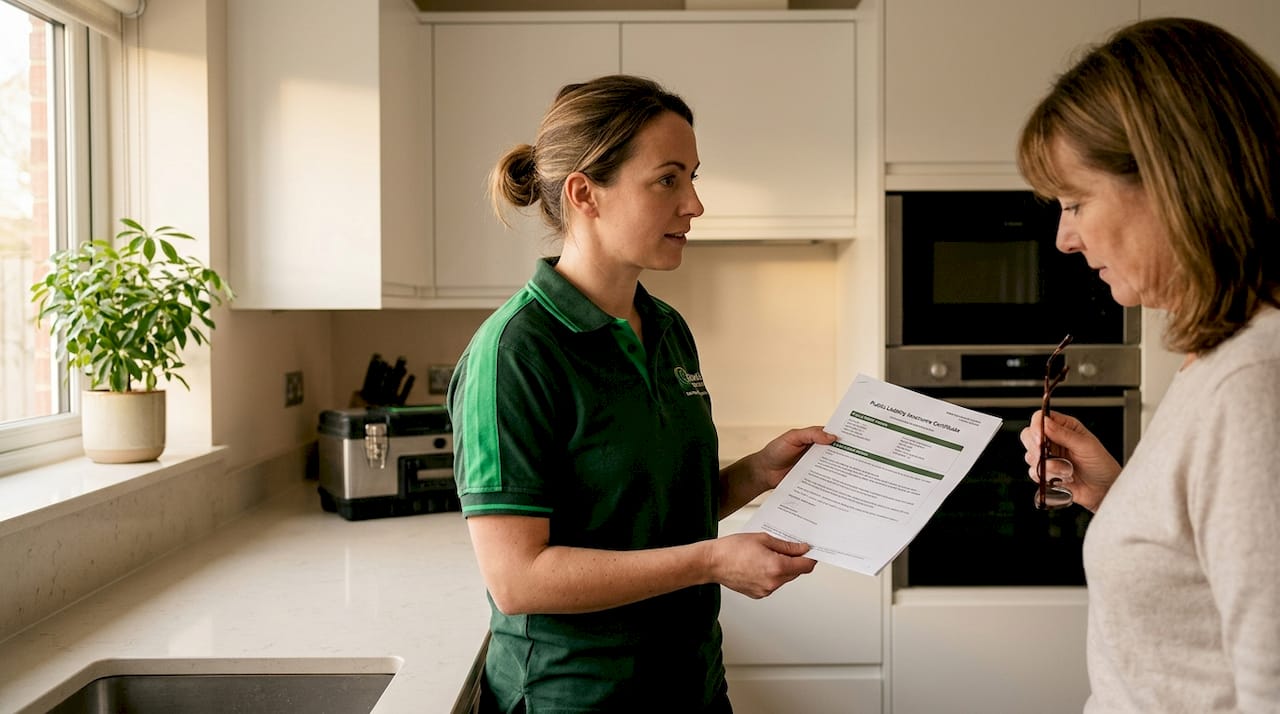
Pro Tip: Request a copy of the insurance certificate and call the insurer directly to confirm it is current. Certificates can be forged or lapsed.
Finding and evaluating candidates
Once you know what you need, the next step is sourcing candidates through channels that give you genuine control over the vetting process.
Step-by-step sourcing process
- Post a detailed job brief on specialist platforms. TradeMatch, Checkatrade, and Rated People all allow you to post jobs and receive responses from local tradespeople. TradeMatch listings average a reply time of one hour and 47 minutes, with a five-step KYC process covering identity, address, insurance, qualification, and accreditation verification.
- Request at least three quotes. Never accept the first quote you receive. Posting jobs for free and receiving up to five competitive, escrow-protected quotes within 48 hours is now possible on newer platforms, which makes comparison straightforward.
- Verify credentials independently. The Chartered Trading Standards Institute advises getting multiple quotes and independently verifying tradesperson credentials, since online platform vetting is not fail-safe. Look up Gas Safe numbers on the official register, check NICEIC licences on the NICEIC website, and confirm FMB membership directly.
- Check recent local work. Ask for references from jobs completed in the past six months, ideally within your region. Call those references. A tradesperson who cannot supply recent references from satisfied clients is a red flag.
- Read reviews critically. Look for patterns in negative reviews, not just the star rating. A single bad review matters less than five reviews all mentioning the same problem.
Platform comparison
| Platform | Vetting depth | Cost to post | Quote protection |
|---|---|---|---|
| TradeMatch | Five-step KYC | Free | Escrow available |
| Checkatrade | Background and insurance checks | Paid leads | No built-in escrow |
| Rated People | Basic profile checks | Pay per lead | No built-in escrow |
Established platforms like Checkatrade offer higher cost leads reflecting in quotes, while newer platforms may be more affordable but require more user vetting. The right choice depends on how much independent verification you are prepared to do yourself.
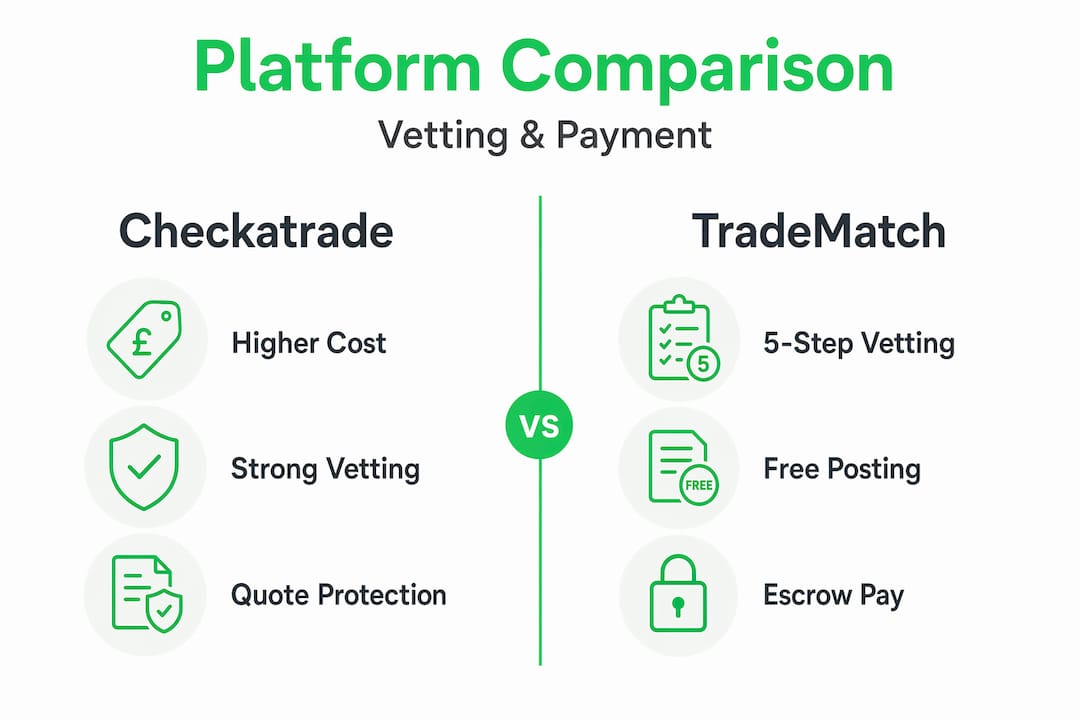
Pro Tip: Cross-reference any platform badge against the issuing body's own registry. Anyone can establish a company with few checks, which means a convincing profile is not the same as a verified tradesperson.
Contracts and payment protection
Getting the contract right before work starts is where many business owners cut corners, and where the most expensive mistakes happen.
Structure your payments around milestones
- Agree a payment schedule tied to specific, inspectable milestones rather than calendar dates.
- A typical structure might be: 10% on signing, 40% on completion of first phase, 40% on completion of second phase, and 10% held for 14 days after sign-off.
- Avoid large upfront payments; use milestone payments and escrow protection to reduce financial risk and ensure satisfactory work delivery.
- Use a written contract that specifies the scope of work, materials, timeline, payment schedule, and what happens if work falls short of the agreed standard.
What your contract must include
- Full legal name and registered address of the contractor
- Scope of work in plain language
- Start and end dates, with agreed provisions for delays
- Payment terms and amounts tied to milestones
- Dispute resolution process
- Warranty or guarantee period for completed work
"The single most common mistake I see is business owners paying 50% or more upfront with nothing in writing. Once the money is gone, your leverage is gone with it."
Escrow services, where a third party holds payment until both sides confirm satisfactory completion, are now available through several platforms and offer meaningful protection on higher-value jobs. If a platform does not offer escrow, consider using a solicitor-drafted contract for any project above £5,000.
Verifying quality and handling problems
Signing a contract and handing over the first milestone payment is not the end of your responsibility. Active oversight is what separates projects that finish on time and on budget from those that do not.
During the work
- Conduct site visits at each milestone before releasing payment. You do not need to be a technical expert; you need to confirm that the agreed phase is visibly complete and that the site is being managed safely.
- Ask the tradesperson to photograph their work at each stage, particularly any work that will be concealed behind walls or under floors. This creates a record that is invaluable if problems emerge later.
- Keep a written log of all communications. Text messages and emails are admissible evidence if a dispute reaches a small claims court.
On completion
- Request all relevant certificates before making the final payment. Electrical installation certificates, building control sign-off, and Gas Safe certificates are not optional extras.
- Walk through the completed work with the tradesperson present. Note any snagging items in writing and agree a deadline for their resolution before releasing the retention payment.
Pro Tip: If you are using a platform with a dispute resolution service, familiarise yourself with the process before you need it. Knowing the steps in advance means you can act quickly if something goes wrong.
When work falls short
If the completed work does not meet the agreed standard, write to the contractor formally, specifying the defects and a reasonable deadline for remediation. If they fail to respond or refuse to remedy the work, you have several options: the platform's dispute resolution service, a complaint to the relevant trade body, or a claim through the small claims court for amounts up to £10,000.
My perspective on hiring tradespeople in the UK
I've spent years working alongside UK project managers and business owners who have been through the full range of hiring experiences, from smooth projects delivered ahead of schedule to expensive disasters that ended in litigation. The pattern I've seen repeatedly is this: the problems almost never start with incompetence. They start with insufficient verification at the beginning.
In my experience, the business owners who hire best are the ones who treat the vetting stage as seriously as the work itself. They do not assume that a platform badge means the credentials are current. They call references. They check registries. They ask uncomfortable questions before signing anything.
What I've also learned is that trade body membership genuinely changes the risk profile of a hire. Trade memberships require ongoing monitoring and adherence to high standards, which reduces the chance of engaging rogue operators compared to normal listings. A tradesperson who has maintained FMB membership for several years has been held to a standard that a self-certified directory profile simply cannot match.
My honest advice: slow down at the start. An extra two days spent verifying credentials and getting the contract right will save you weeks of headaches later.
— Mateusz
Manage your trades hiring with Tradewisehq
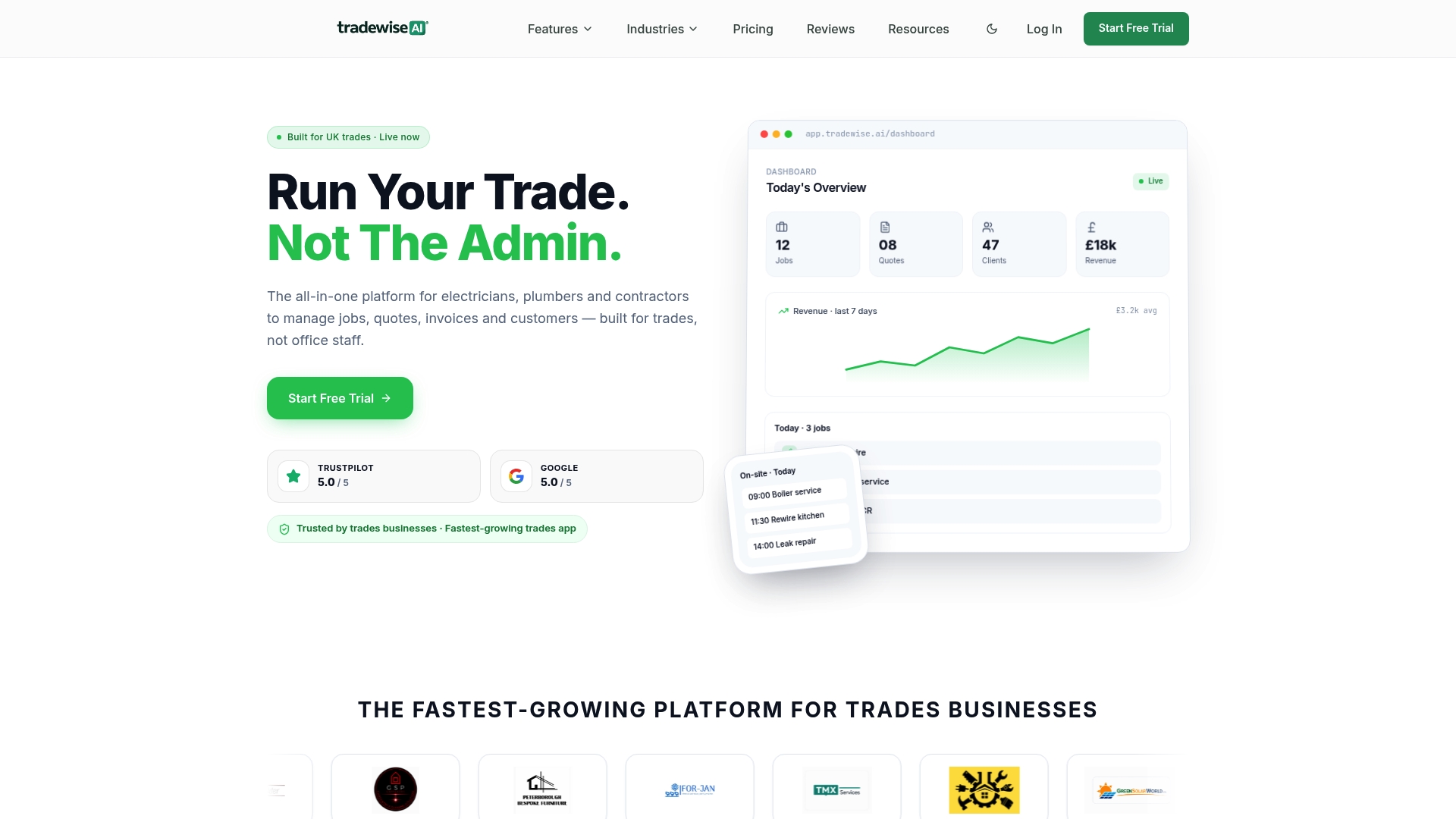
Once you have a reliable process for finding and vetting skilled tradespeople, the next challenge is managing everything that follows: quotes, contracts, milestone tracking, payments, and communication. That is exactly what Tradewisehq is built for. The platform brings together job management, scheduling, quote comparison, invoice tracking, and client communication in one mobile-first system designed specifically for trade businesses and the project managers who work with them. Instead of juggling spreadsheets, email threads, and separate payment tools, you get a single place to oversee every active job and every contractor relationship. If you are serious about scaling your construction or maintenance operation without losing control of quality or budget, Tradewisehq is worth exploring.
FAQ
What qualifications should I check when hiring a tradesperson in the UK?
For gas engineers, verify Gas Safe registration directly on the official register. Electricians should hold NICEIC, NAPIT, or ELECSA certification, and builders working on larger projects should ideally hold Federation of Master Builders membership.
How do I avoid being scammed when hiring tradespeople online?
The Chartered Trading Standards Institute recommends getting multiple quotes and verifying credentials independently, since platform vetting is not fail-safe. Always check statutory registrations against official registries, not just the platform profile.
What is a safe payment structure for trades work?
Use milestone-based payments tied to inspectable stages of work, and avoid paying more than 10 to 15 per cent upfront. For higher-value projects, escrow services provide an additional layer of financial protection.
Which platform is best for finding skilled tradespeople in the UK?
It depends on your priorities. TradeMatch offers a five-step KYC vetting process and free job posting with escrow-protected quotes. Checkatrade provides strong brand recognition but at a higher cost per lead. Always supplement any platform with independent credential checks.
Do I need a written contract for trades work?
Yes, for any project above a few hundred pounds, a written contract is strongly advisable. It should specify scope, timeline, payment milestones, and a dispute resolution process to protect both parties if the work does not meet expectations.