
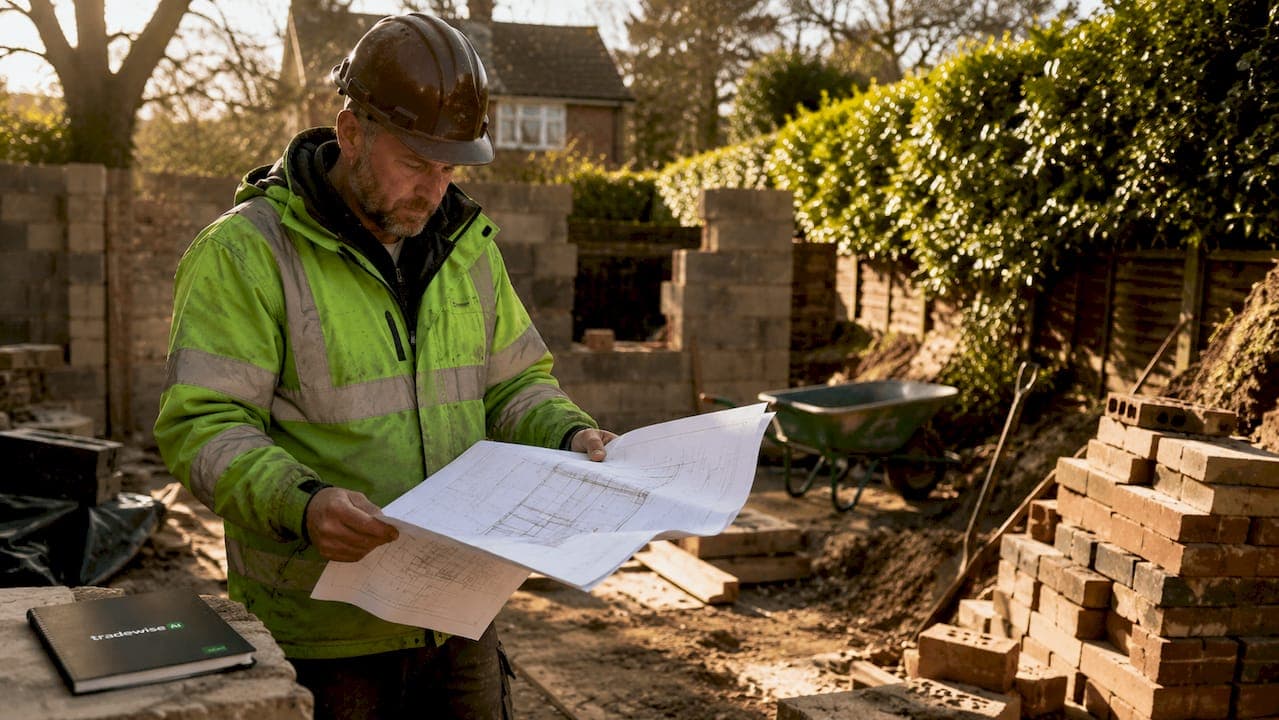
The role of builder in a self-build is to physically construct the home by managing daily site operations, coordinating specialist trades, and ensuring materials and workmanship meet the project specification. Builders are not simply labourers who follow instructions. They are the operational core of any self-build, translating architectural drawings into a standing structure while balancing cost, time, and quality simultaneously. Whether you appoint a main contractor or manage individual trades yourself, understanding what a builder actually does determines whether your project finishes on time, on budget, and to the standard you expect.
What are the core responsibilities of a builder in a self-build?
The builder's primary duty is physical execution. Builders typically begin by reviewing the design for buildability and remain involved through to project completion. That early review is where experienced builders earn their fee before a single brick is laid.
Day-to-day, a builder's responsibilities in a self-build cover a wide range of tasks:
- Site management: Organising the sequence of work, managing the workforce on site, and keeping daily operations running to programme.
- Trade coordination: Scheduling and supervising specialist trades including plumbers, electricians, and groundworkers so each arrives at the right stage.
- Materials management: Ordering materials and ensuring timely deliveries to prevent costly hold-ups on site.
- Quality control: Checking that workmanship matches the architectural drawings and specification at every stage.
- Health and safety: Enforcing site safety standards and managing workforce welfare daily.
The importance of builders in construction goes beyond physical labour. Builders bear the heaviest burden for enforcing day-to-day site safety standards and protecting workforce welfare. That responsibility cannot be delegated informally.
Pro Tip: Ask your builder to walk you through their site induction process before work starts. A builder who cannot explain their safety procedures clearly is a red flag.
How does the builder's role intersect with legal and safety regulations?
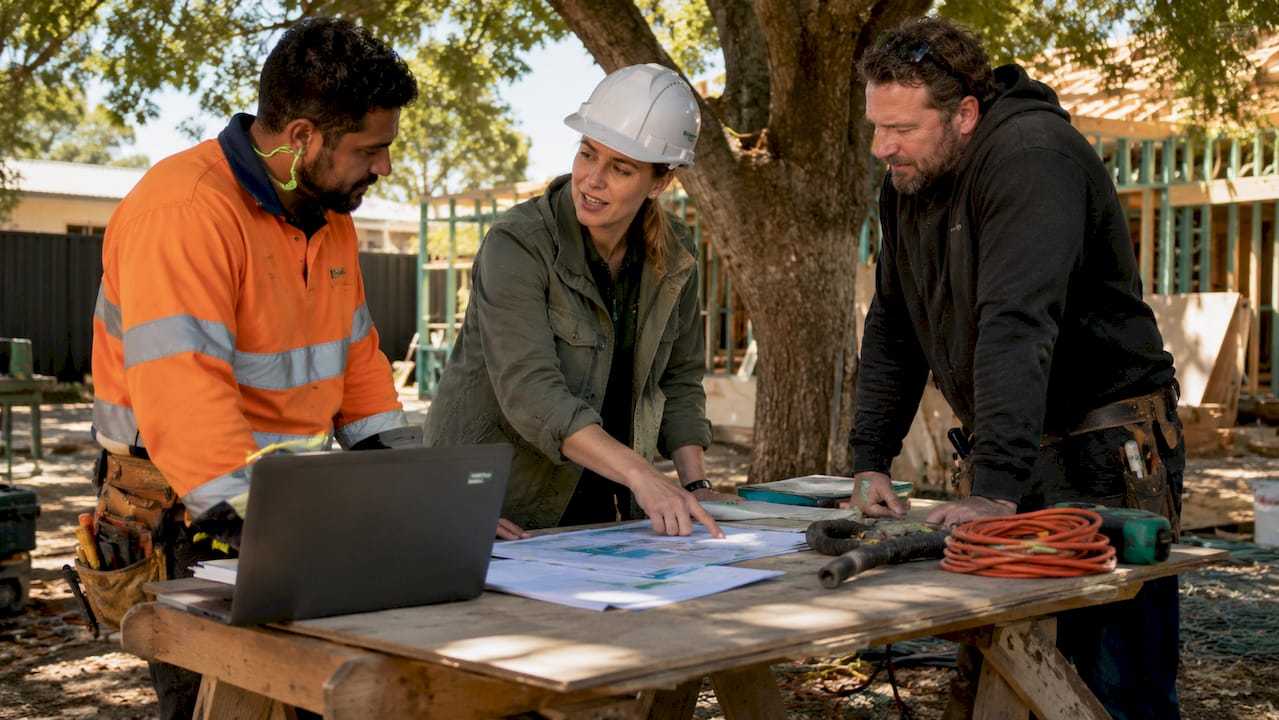
Legal compliance is not optional on a self-build. The Construction (Design and Management) Regulations 2015, known as CDM 2015, govern health and safety responsibilities across all construction projects in the UK. Self-builders must appoint a Principal Designer and a Principal Contractor in writing before construction begins. Without a formal appointment, those duties default to the self-builder personally.
The builder, when appointed as Principal Contractor, takes on specific legal duties:
- Prepare and maintain a Construction Phase Plan covering site safety arrangements.
- Coordinate health and safety among all contractors and trades on site.
- Ensure all workers receive appropriate site inductions and have the necessary competence.
- Display the project notification from the Health and Safety Executive where required.
- Maintain a health and safety file to hand over at project completion.
Homeowners managing contractors cannot entirely delegate safety responsibility to builders without these formal written appointments. The legal exposure is real and personal.
Self-managing a build places the homeowner as principal contractor legally, increasing liabilities and requiring specialised self-build insurance covering works, materials, and third-party risks, unlike standard homeowner policies.
Specialised self-build insurance is not an optional extra. Standard home insurance does not cover an active construction site. If you appoint a main contractor as Principal Contractor, much of this liability transfers to them, which is one of the strongest practical arguments for doing so.
What project management functions does a builder typically perform?
Most self-builders are surprised to learn that a separate project manager is rarely necessary. In most residential self-builds, the main contractor naturally assumes project management tasks including scheduling, hiring trades, site safety, and purchase management. That function is built into the builder's role in home construction, not an add-on service.
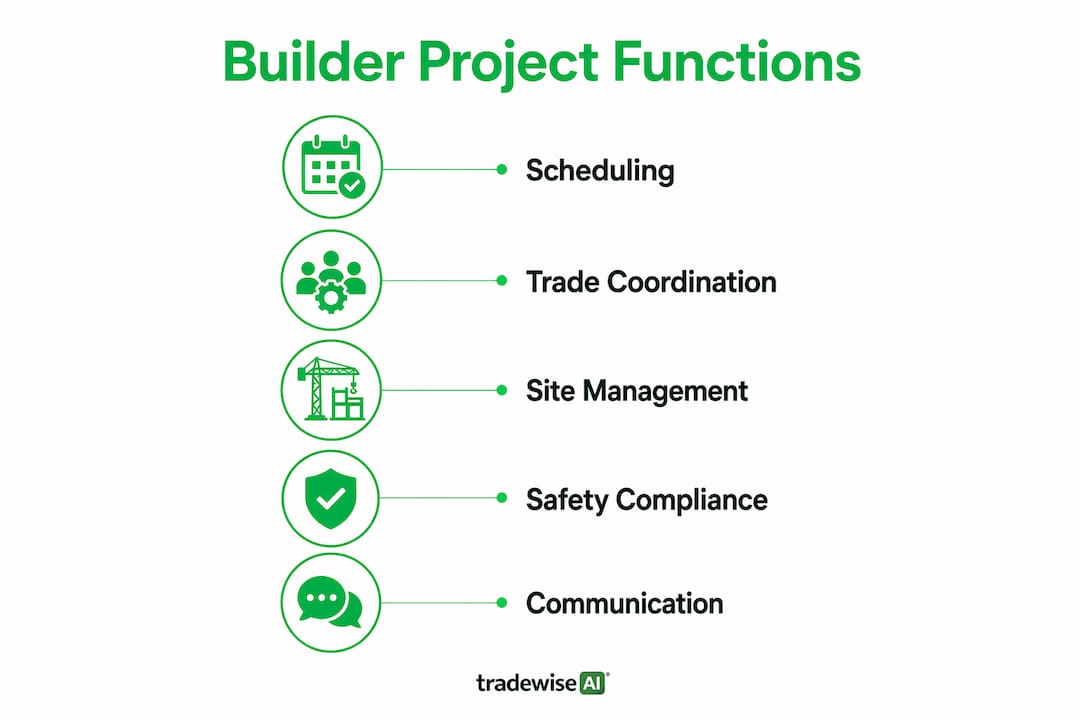
The table below compares what happens when you appoint a main contractor versus when you self-manage individual trades:
| Function | Main contractor appointed | Self-managing trades |
|---|---|---|
| Trade scheduling | Builder coordinates all trades | You schedule each trade directly |
| Site safety compliance | Builder holds Principal Contractor duties | You hold legal responsibility |
| Materials ordering | Builder manages procurement | You manage all purchasing |
| Problem solving on site | Builder resolves issues daily | You must be available daily |
| Cost control | Builder manages within agreed contract | You negotiate each trade separately |
| Programme management | Builder maintains overall timeline | You maintain the programme |
Tiered authority systems used by experienced self-builders allow trade leads and builders to approve minor changes and purchases within set spending limits. This keeps progress moving without requiring client sign-off on every small decision. It is a practical tool that reduces delays significantly.
Pro Tip: Set a clear delegated spending limit in writing before work starts. A figure of £500 is common for minor on-site decisions. Anything above that requires your approval.
The builder also acts as the communication hub between you, your architect, structural engineer, and each specialist trade. Without that central coordination, information gaps cause expensive mistakes. A builder who communicates well is worth more than one who simply builds fast.
What are the risks and challenges when managing builders in a self-build?
Self-build project management carries real financial and legal risks that many first-time self-builders underestimate. Managing contractors independently can potentially save 17% compared to hiring a main contractor, but it requires significant time and expertise. Disputes with individual trades can cost over £15,000 to resolve. Successful self-builders maintain a 20–30% budget contingency to absorb the unexpected.
The most common challenges self-builders face when managing builders include:
- Time commitment: Coordinating multiple trades requires daily availability. Most self-builders underestimate the hours involved.
- Expertise gaps: Without construction knowledge, identifying poor workmanship or sequencing errors is difficult until the damage is done.
- Cost overruns: Without a main contractor holding the programme, delays compound and costs escalate quickly.
- Dispute risk: Disagreements over scope, quality, or payment with individual trades are harder to resolve without a formal contract structure.
- Documentation failures: Verbal agreements with trades leave you exposed. Professional-grade contracts and staged payment schedules protect your investment.
Choosing a builder for your self-build rather than self-managing trades shifts most of these risks onto the contractor. The 17% potential saving from self-managing trades is real, but it comes with a workload and risk profile that most first-time self-builders are not equipped to handle without professional support.
How builders manage subcontractors on a daily basis is a skill developed over years. Replicating that coordination without experience is the single biggest risk factor in self-managed builds.
Key takeaways
The builder is the operational core of a self-build, responsible for physical execution, trade coordination, legal compliance, and project management from groundworks to completion.
| Point | Details |
|---|---|
| Builder as project manager | In most self-builds, the main contractor handles scheduling, trades, and site safety without a separate project manager. |
| CDM 2015 compliance | A Principal Contractor must be appointed in writing before construction begins or duties fall to the self-builder. |
| Early builder involvement | Bringing a builder in during design reduces costly buildability errors before construction starts. |
| Self-management savings vs risk | Self-managing trades may save 17% but carries dispute costs exceeding £15,000 and requires daily site presence. |
| Delegated authority | Setting clear spending limits for on-site decisions keeps progress moving and prevents budget drift. |
Why I think most self-builders misunderstand what a builder actually does
Most people planning a self-build think of the builder as the person who does the physical work. That framing is accurate but dangerously incomplete. The builder is also the person who decides whether the electrician arrives before or after the plasterer, whether a structural problem gets flagged to the engineer on tuesday or buried under plasterboard, and whether your project finishes in october or the following spring.
I have seen self-builders spend months researching architects and planning applications, then appoint a builder in a week based on price alone. That is the wrong priority order. The builder's influence on your project is greater than the architect's once construction begins. The architect designs the building. The builder decides how it actually gets built.
Early engagement of builders in the design phase reduces costly delays and redesigns by identifying buildability and site access issues before construction begins. That is not a theoretical benefit. It is the difference between a design that works on paper and one that works on your actual plot of land.
The other thing most self-builders get wrong is authority. They want to be involved in every decision, which sounds responsible but actually slows the build and frustrates good builders. A builder who has to call you before ordering an extra bag of cement is a builder who will stop work and wait rather than make a sensible call. Define the limits of their authority clearly, then trust them to operate within those limits. That is how good self-builds run.
The role of a main contractor in UK construction is broader than most clients realise. Treat your builder as a professional partner from day one, not a subservient labourer, and your project will reflect that relationship.
— Mateusz
How Tradewisehq supports builder coordination on your self-build
Managing a self-build means tracking builder tasks, material deliveries, subcontractor schedules, and compliance documents across weeks and months of construction. Tradewisehq is an AI-powered trade management platform built for exactly this kind of operational complexity.

Tradewisehq helps you and your builder manage job scheduling, material orders, contractor communication, and documentation in one mobile-first platform. Builders can log site updates, flag issues, and track progress in real time. You get visibility without needing to be on site every hour. For self-builders who want to stay informed without micromanaging, Tradewisehq's trade management tools give you the oversight your project needs without slowing your builder down.
FAQ
What is the main role of a builder in a self-build?
The builder physically constructs the home, manages daily site operations, coordinates specialist trades, and ensures materials and workmanship meet the project specification from groundworks to completion.
Do I need a separate project manager for my self-build?
In most residential self-builds, the main contractor handles project management tasks including scheduling, trade coordination, and site safety, making a separate project manager unnecessary.
What are CDM Regulations and how do they affect my self-build?
CDM 2015 requires self-builders to appoint a Principal Designer and Principal Contractor in writing before construction begins. Without formal appointments, those legal duties fall to the self-builder personally.
What insurance do I need if I manage my own build?
Self-managing a build makes you the principal contractor legally, requiring specialised self-build insurance that covers works in progress, materials, and third-party risks. Standard home insurance does not cover active construction sites.
How can I reduce the risk of cost overruns on a self-build?
Successful self-builders maintain a 20–30% budget contingency, use professional-grade contracts with staged payments, and set clear delegated spending limits for their builder to approve minor on-site decisions independently.